
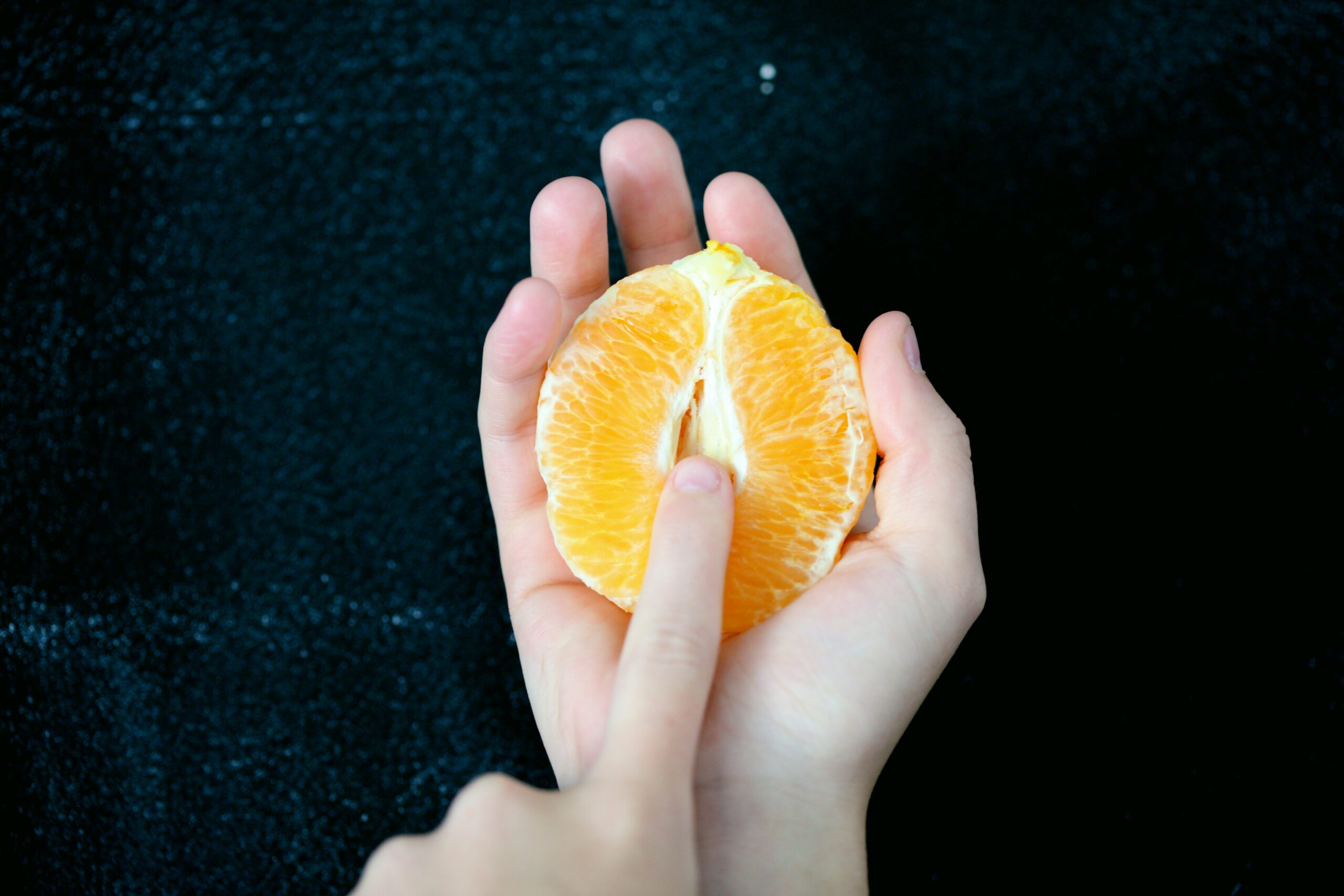

Squirting, or female ejaculation, is a phenomenon that has intrigued and mystified both the scientific community and the general public for centuries. Despite being a topic of discussion and debate, it remains one of the least understood aspects of female sexual physiology. This article delves into the science, history, myths, and varying perspectives surrounding squirting, offering a comprehensive look at this natural yet often misunderstood experience.
What is Squirting?
Squirting refers to the release of a fluid from the female urethra during sexual arousal or orgasm. It is distinct from regular vaginal lubrication and is often confused with or thought to be related to urination due to its exit point being the urethra. However, scientific studies have demonstrated that squirting fluid has its own unique properties.
Squirting should not be confused with the term “female ejaculation,” which, although used interchangeably in casual discourse, technically refers to a smaller quantity of milky fluid that is expelled from the Skene’s glands (paraurethral glands), sometimes referred to as the “female prostate.” These glands are located near the urethra and have been found to secrete fluid similar to prostate fluid in men.
Composition of Squirting Fluid
Studies have shown that the fluid expelled during squirting is a mixture of various substances, and its composition can vary depending on the individual. Research published in the Journal of Sexual Medicine revealed that the fluid contains:
- Urea and Creatinine: These are components commonly found in urine, which initially fueled the belief that squirting is just involuntary urination.
- Prostatic-Specific Antigen (PSA): PSA is also found in the fluid expelled during male ejaculation. This suggests that squirting fluid contains secretions from the Skene’s glands, reinforcing the comparison between the female prostate and the male prostate.
- Glucose: Some samples of squirting fluid have also been found to contain glucose, which is not typically present in urine.
The volume of fluid can range from a few drops to a substantial amount, depending on the individual and the level of arousal.
History and Cultural Perspectives
Squirting has been documented in various cultures throughout history, though it has often been shrouded in mystery and myth. In ancient civilizations, female ejaculation was sometimes revered as a symbol of fertility or divine pleasure. Texts like the Kama Sutra describe acts that may align with what modern understanding now recognizes as squirting.
However, for much of Western history, discussions around female sexual pleasure, including squirting, were largely repressed or dismissed. It wasn’t until the sexual revolution of the mid-20th century that research into female sexuality, including phenomena like squirting, gained more attention.
Prominent sex researchers like Dr. Beverly Whipple, who co-authored The G-Spot and Other Recent Discoveries About Human Sexuality in 1982, played a pivotal role in bringing awareness to female ejaculation. Dr. Whipple’s work sparked broader curiosity about the anatomical and physiological underpinnings of squirting, helping destigmatize the topic.
The G-Spot and Its Role in Squirting
Squirting is often associated with stimulation of the G-spot, an area located about 2–3 inches inside the vaginal wall towards the front of the body. The G-spot is not a distinct anatomical structure but rather an area where nerve endings, erectile tissue, and the Skene’s glands converge. When stimulated, the G-spot can cause an intense orgasmic response, sometimes leading to squirting.
Many women report that G-spot stimulation produces a different sensation than clitoral stimulation and can lead to the urge to urinate just before the release of the squirting fluid. This urge is often misinterpreted as a need to urinate, although what follows is the expulsion of the squirting fluid.
Myths and Misconceptions About Squirting
There are numerous myths surrounding squirting, some of which contribute to confusion and stigma around the subject. Here are a few common misconceptions:
- Myth: Squirting is just urine
While the fluid does contain urea and creatinine (also found in urine), it is not the same as urination. Squirting fluid also contains prostatic-specific antigen (PSA) and glucose, which are not present in typical urine. Thus, squirting is a distinct physiological process. - Myth: All women can squirt
Not all women experience squirting, and this is entirely normal. Some women may squirt frequently, while others may never squirt in their lifetime. The ability to squirt does not correlate with sexual satisfaction or health. - Myth: Squirting is a sign of a “better” orgasm
Squirting is not necessarily tied to the intensity of an orgasm. Some women experience intense orgasms without squirting, while others may squirt with or without orgasm. Both experiences are equally valid and normal. - Myth: Squirting can be controlled
Many women do not have conscious control over squirting. It can happen unexpectedly, and attempts to force or suppress it can sometimes detract from the overall sexual experience.
Scientific Studies on Squirting
Scientific interest in squirting has grown over the last few decades. One of the most cited studies was published in the Journal of Sexual Medicine in 2014. This study used ultrasound imaging to observe changes in the bladder during sexual arousal and squirting. The researchers found that the bladder would fill up before squirting, but instead of releasing pure urine, the expelled fluid was chemically distinct.
Other studies have looked into the psychological and emotional aspects of squirting. Some women report feeling embarrassed or self-conscious about the experience, particularly in cultures where open discussions of female sexuality are taboo. In contrast, others find squirting to be a liberating and empowering aspect of their sexual expression.
Is Squirting Beneficial?
From a health perspective, there is no evidence to suggest that squirting is either beneficial or harmful. It is simply a natural bodily response experienced by some women. However, many women who experience squirting report feelings of sexual fulfillment and enhanced pleasure when it occurs.
For those who are curious about squirting, communication with a sexual partner is key. Understanding each other’s boundaries, desires, and comfort levels can make the experience more enjoyable.
Conclusion
Squirting, though often misunderstood, is a natural phenomenon that some women experience during sexual activity. While the topic may still be shrouded in cultural myths and stigma, scientific research continues to shed light on the mechanics and physiology of squirting, helping to normalize it as a part of female sexual expression. Whether a woman experiences squirting or not, it’s essential to recognize that female sexual pleasure is diverse and valid in all its forms.
References:
- Salama, S., Boitrelle, F., Gaudin, A. (2014). “Nature and Origin of ‘Squirting’ in Female Sexuality.” Journal of Sexual Medicine.
- Whipple, B., & Perry, J. (1982). The G-Spot and Other Recent Discoveries About Human Sexuality. Holt, Rinehart & Winston.
- Levin, R. J. (2011). “The Physiology of Female Sexual Arousal: A Brief Review.” Clinical Anatomy.
- Alzate, M. S. (2020). “The Female Prostate: Anatomy and Role in Female Ejaculation.” Journal of Urology.
- Maravilla, K. R., & Yang, C. C. (2021). “Female Ejaculation and the Skene’s Glands: Anatomical Evidence and Physiological Relevance.” Obstetrics & Gynecology.
